
Specializing in EB-1A, EB-2 NIW, and O-1A petitions for high-achievers across the globe.
You’ve earned distinction. We’ll help you secure your U.S. legacy. Whether you’re an elite researcher, visionary creator, skilled nurse, or accomplished professional, your unique achievements deserve a clear pathway into the United States. At Achievement Based Petitions, we focus exclusively on EB-1A (Extraordinary Ability for Immigrants), EB-2 NIW (National Interest Waiver), and O-1A (Extraordinary Ability for Nonimmigrants) petitions—helping you present your extraordinary qualifications with precision and purpose.
For scientists, professors, and innovators whose work pushes boundaries in research and discovery.
Navigating Your Path to Achievement Based U.S. Immigration: Our 5-Step Process for Success.
We start with a personal consultation to assess your eligibility and discuss the pathways open to you.
STEP 2
STEP 3
STEP 4
We draft your petition to present a compelling argument to USCIS.
STEP 5
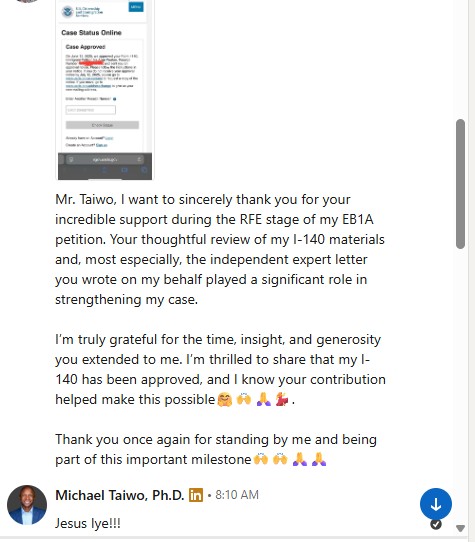
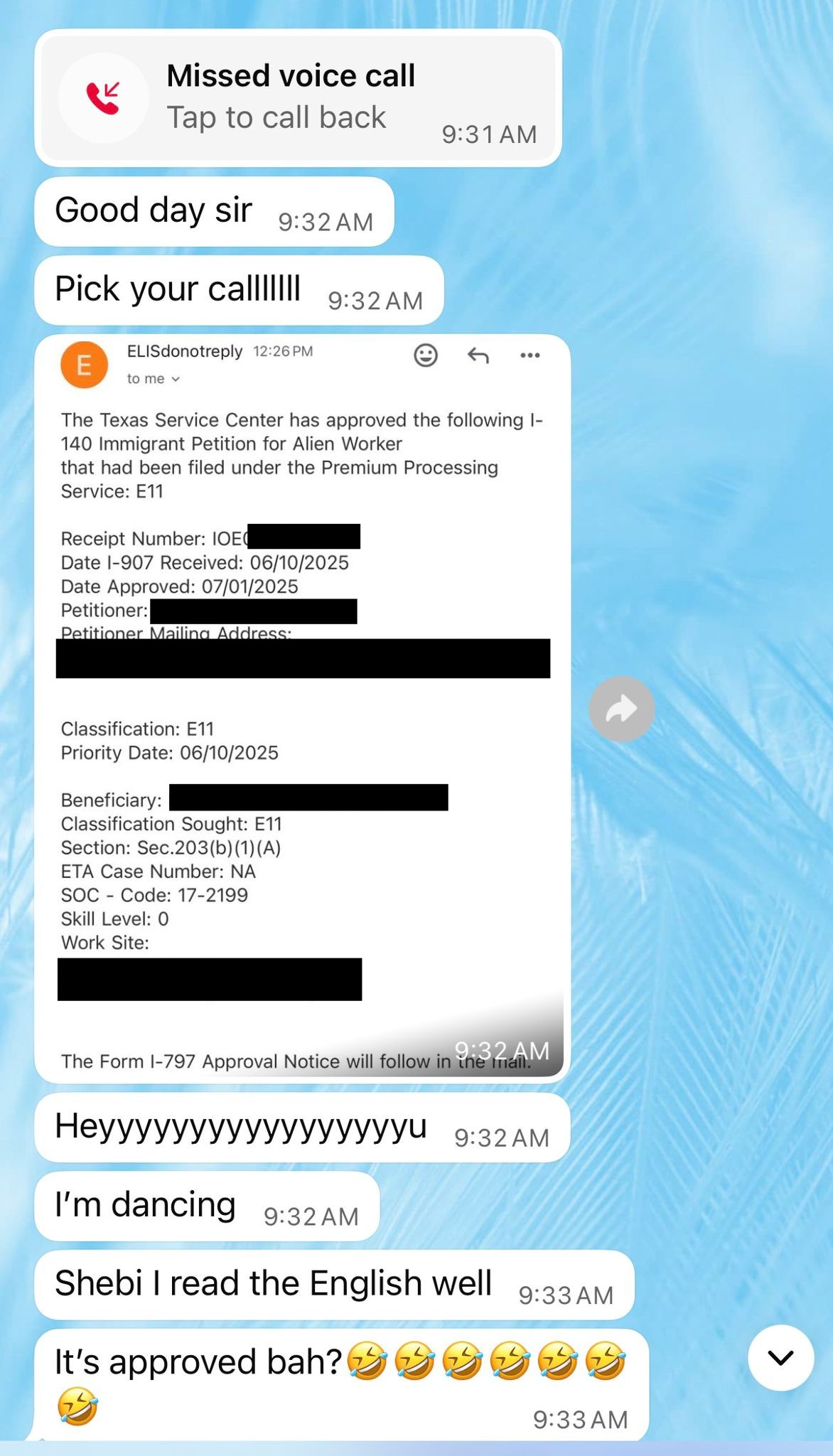
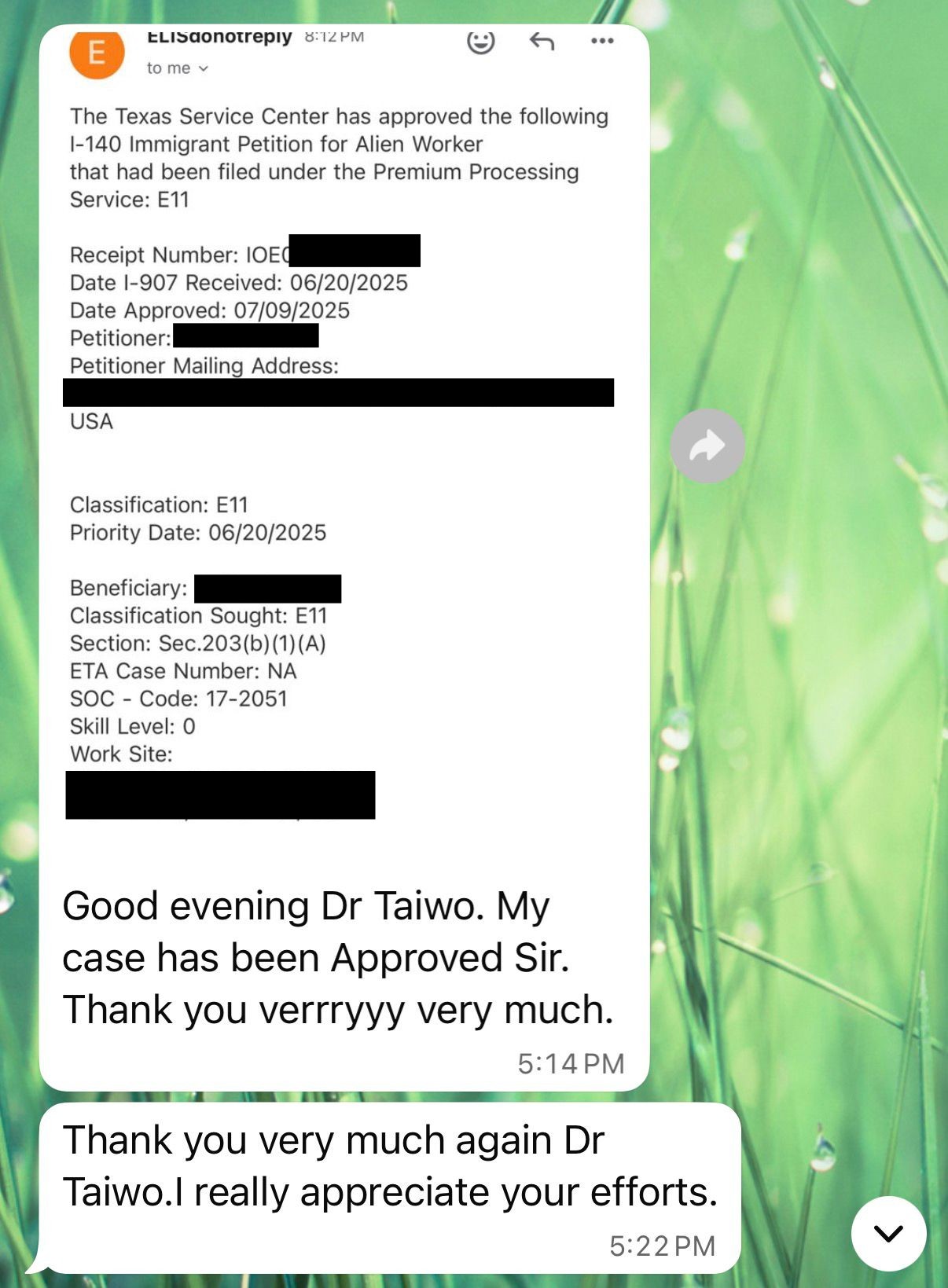
Discover the experiences of our valued clients as they share their journeys with us.
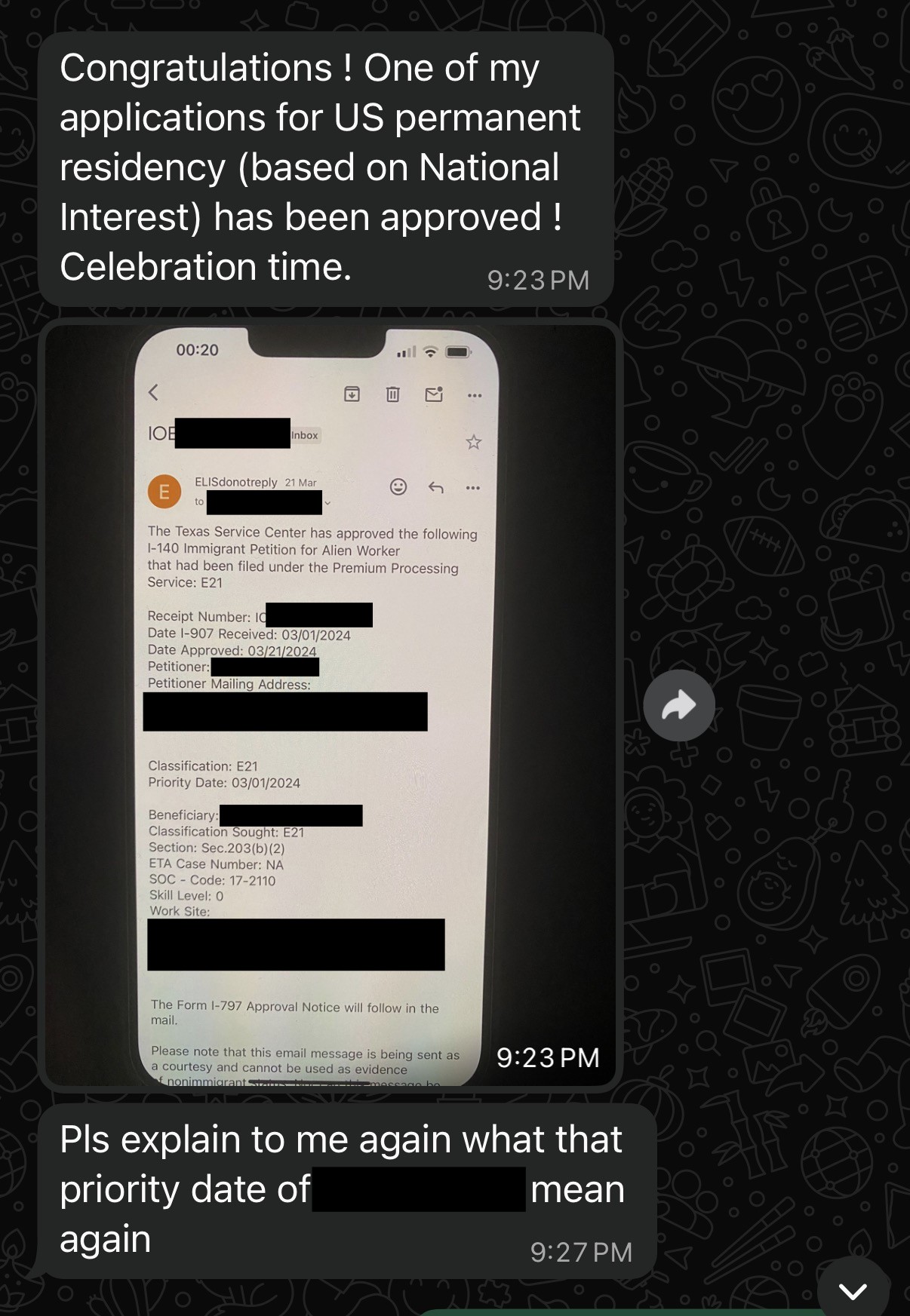
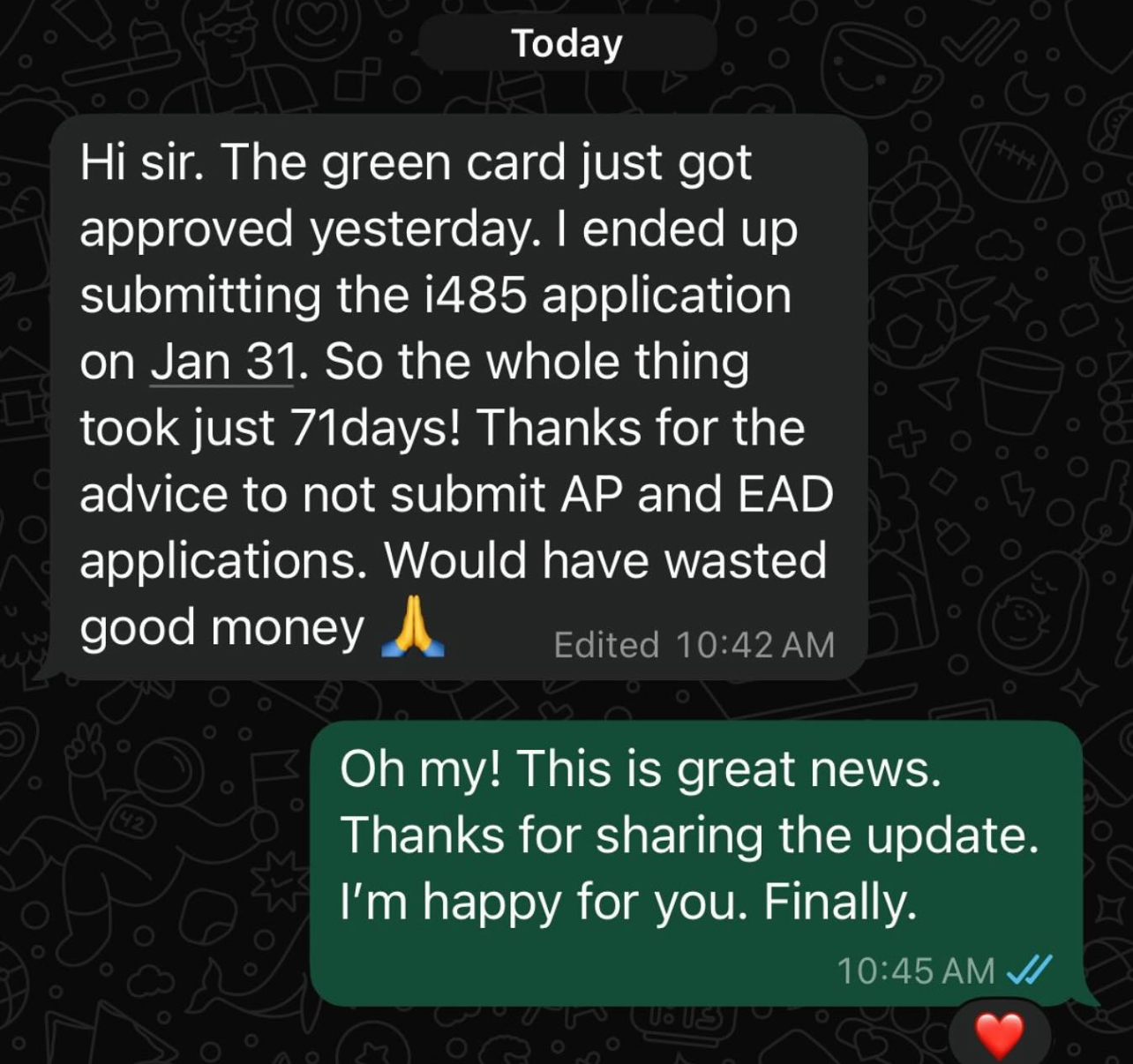
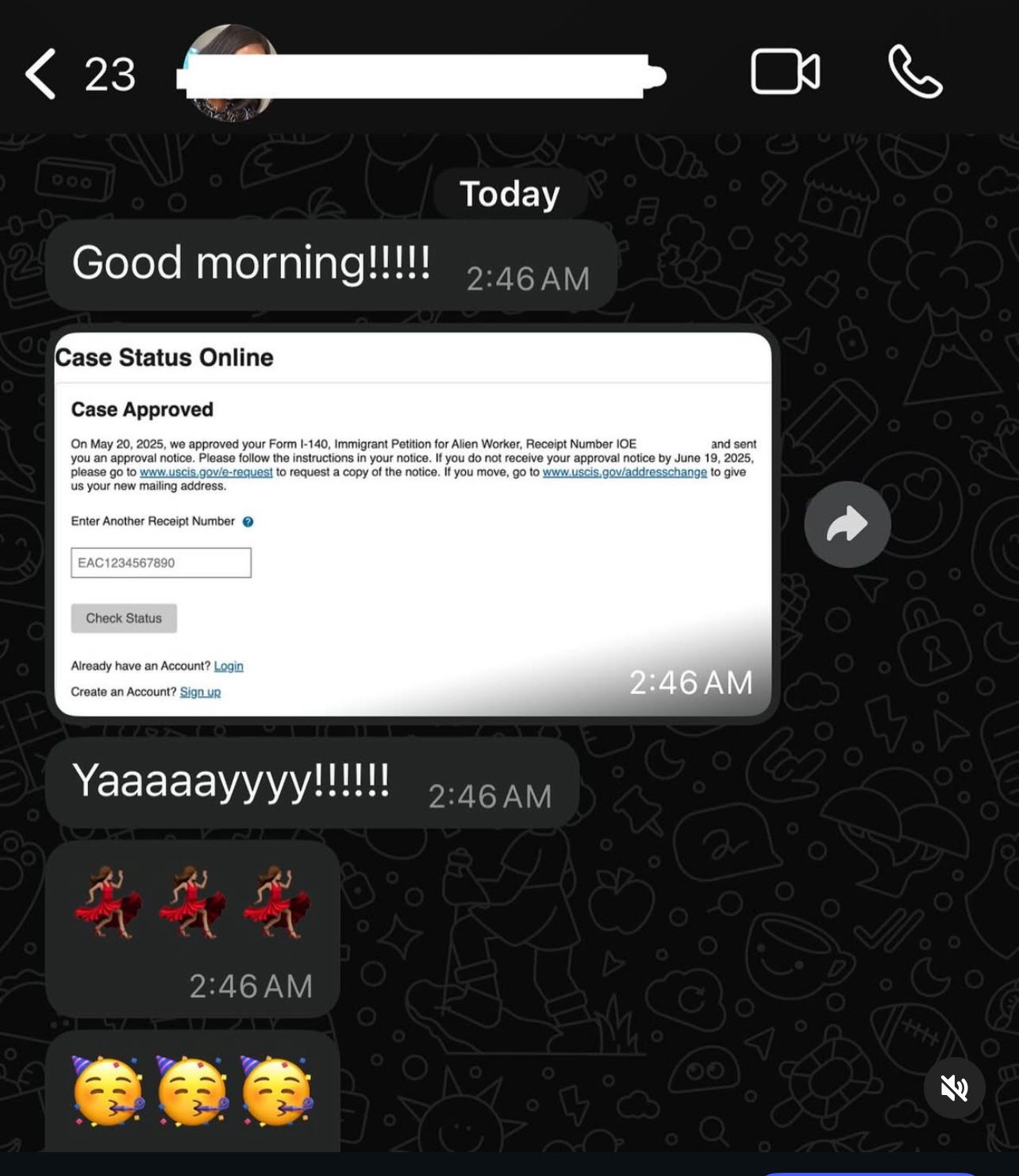
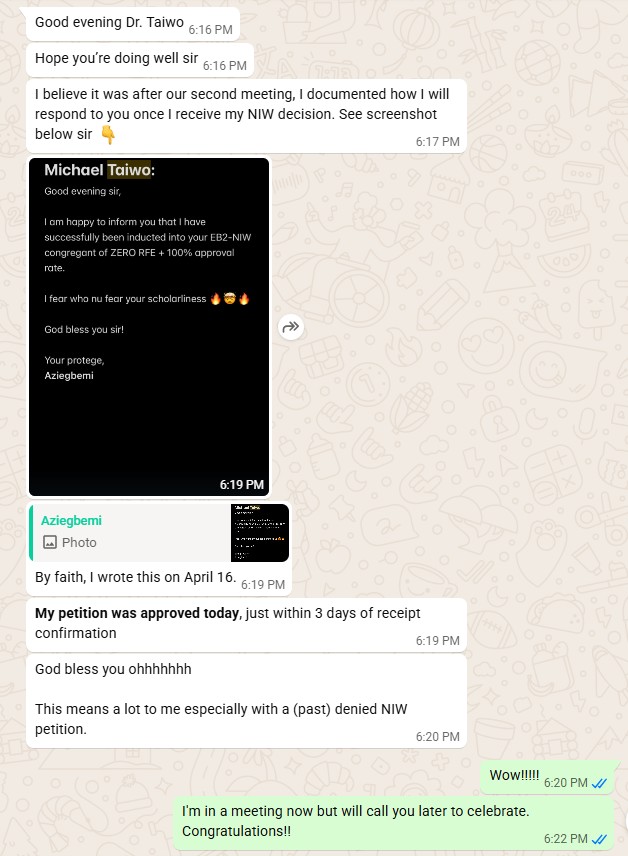
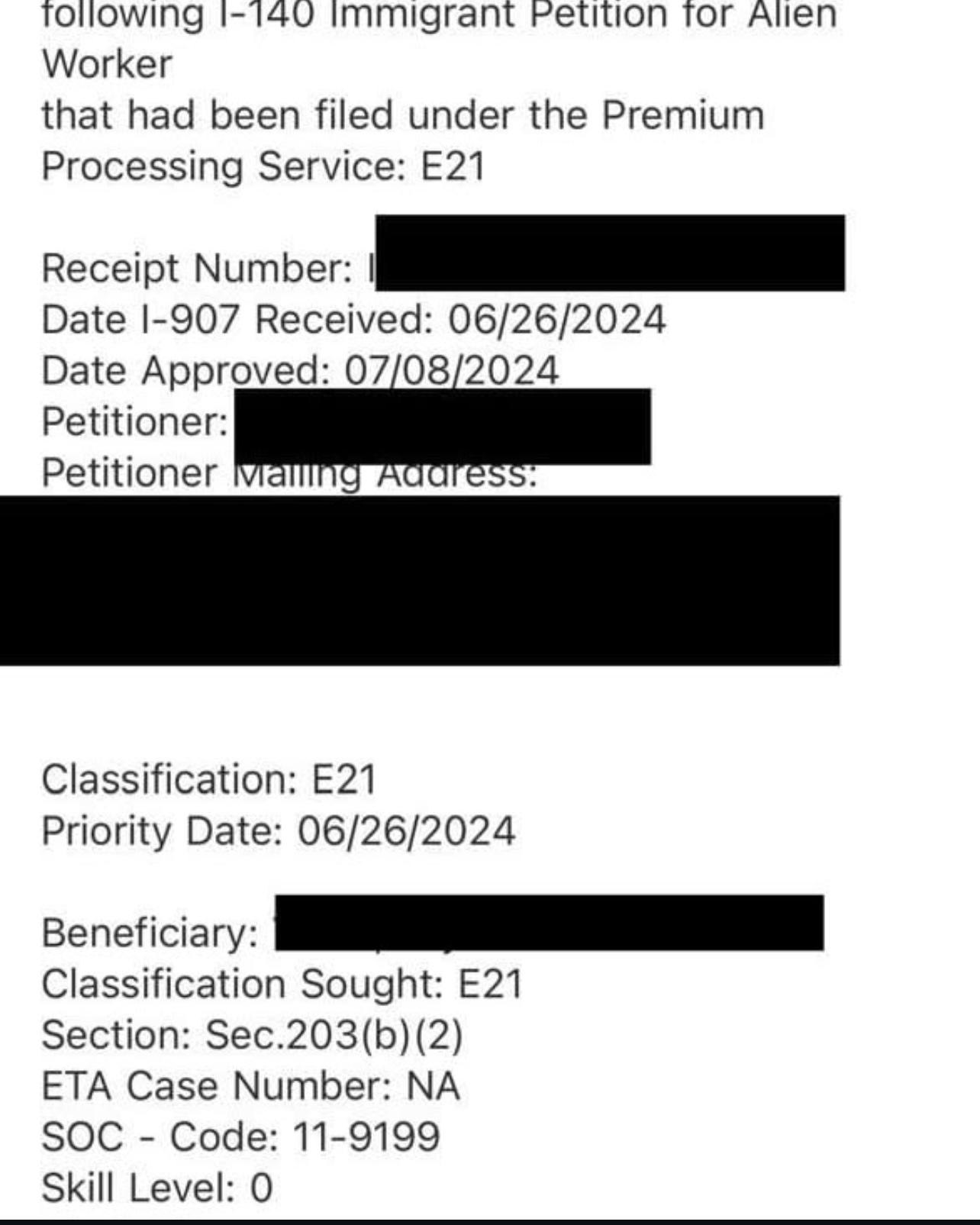
I came to the United States in late 2007 to start my PhD in Chemical Engineering on an F1 (student) visa. After graduation, in 2012, I was lucky to get a great job with an International Oil Company (IOC). I began the job with Optional Practical Training (OPT) work authorization. I took the job partly because they offered to sponsor my H1-B work visa. The simple written agreement we had was that when my H1-B visa was up for renewal, in three years, they would proceed with both the renewal and start petition for the Green Card via the EB2 pathway.
But in the third quarter of 2014, oil prices started tumbling. It went from over $100 to below $30 by the beginning of 2016. IOC’s fortunes rise and fall with oil prices. So when the oil price cratered, they started massive layoffs. Fortunately, I wasn’t let go, but the plummeting oil prices made it difficult for the company to justify petitioning for my Green Card to the DOL/USCIS, especially when U.S. citizens were being laid off. One of the questions on the form the company needed to fill was “has there been any mass layoffs in the last six months?” Selecting ‘yes’ prohibits petitioning for a non-citizen.
In short, I was on my own. Luckily, they were able to renew my H1-B visa for another 3 years, but the door was now shut on a company-sponsored EB2 petition. It would take years for oil prices to recover, and I couldn’t recall any 6-month period at my company without layoffs in at least one division. This was when I started my research and found that I could self-petition for the same EB2 using the National Interest Waiver.
Yes, not having a Nobel or similarly prestigious award does not automatically disqualify you from applying.
Depending on type and circumstances:
EB-1A (self-petition): Many cases are completed within a year if the paperwork is complete; with premium processing, it can be faster.
EB-2 NIW: This often takes 1–2 years overall (I-140 + final processing), though backlogs can extend this timeline.
EB-3 (skilled workers/nurses): From filing to final approval, the process often takes 2–5 years, depending on visa-number availability and country of origin.
EB-1A is for individuals with extraordinary ability. It allows you to self-petition, no U.S. employer or labor certification required.
EB-2 NIW is for professionals with advanced degrees or exceptional ability whose work is in the U.S. national interest. It also permits self-petition and waives the job offer / PERM requirement under NIW.
EB-3 is for skilled workers, professionals, or other workers with a valid job offer from a U.S. employer. It typically requires employer sponsorship and labor certification.
Choose EB‑1A if you have documented, high-impact, top-tier achievements (publications, awards, recognized contributions) and want the most straightforward path. You can self-petition, no PERM required, and visa priority tends to be faster.
Choose EB‑2 NIW if you hold advanced credentials or exceptional ability and your work (research, innovation, public health, etc.) can be framed as benefiting U.S. national interest, even without celebrity-level acclaim.
Choose EB‑3 when you have a bona fide U.S. employer ready to sponsor you (typical for skilled workers or nurses), especially if you don’t meet the high standards required for EB-1A or NIW.
No, you do not need to stay with the same job or employer.
Both EB-1A and EB-2 NIW allow self-petitioning and do not require employer sponsorship or labor certification. After you obtain your green card under those categories, you are not contractually “tied” to any employer.
Yes, you can apply under EB‑1A or EB‑2 NIW even if you live outside the U.S. Once your I-140 petition is approved, you complete consular processing at a U.S. embassy or consulate in your country of residence.
Yes. If you are outside the U.S., after the I-140 is approved, you will go through consular processing at a U.S. embassy/consulate. But if you are in the U.S. legally, you may instead file for adjustment of status (I-485), provided a visa number is available.